Craniosynostosis is a unique birth defect that affects a child’s skull. As the child’s brain continues to grow, it stretches the skull, leaving it looking deformed. The good this is that this condition can be treated. In this article, you will learn about diagnosing and treating craniosynostosis.
Types of Craniosynostosis
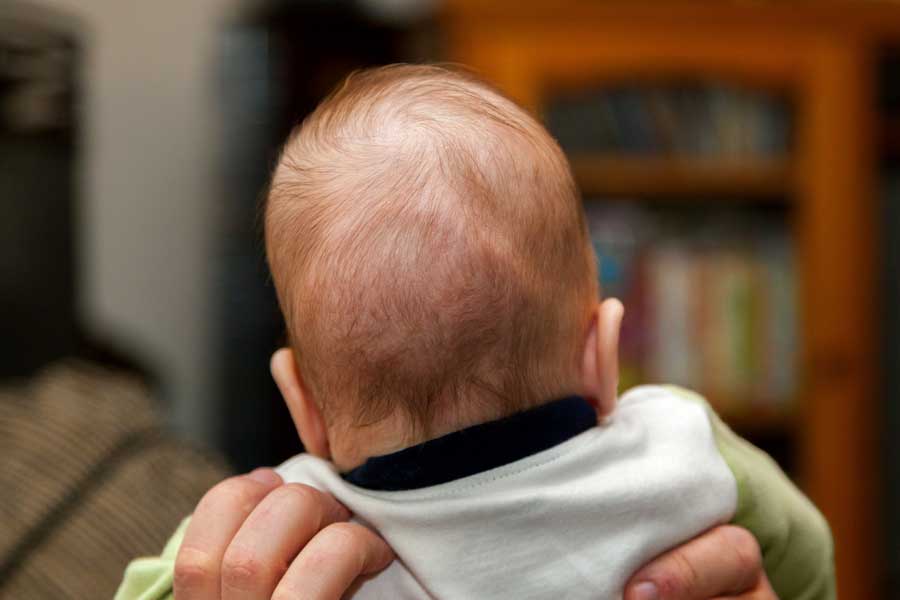 There are different types of craniosynostosis, depending on the sutures that join together too early.
- Sagittal synostosis: This type of skull deformity happens when the suture running along the top of the head from the soft spot near the front of the baby’s head to the back closes too early. When this happens, the child’s head becomes long and narrow (scaphocephaly). This type of craniosynostosis is the most common.
- Coronal synostosis: This problem affects the coronal sutures that run from each ear to the sagittal suture at the top of the baby’s head. If one of these sutures closes too early, the baby’s skull will flatten at the forehead on the side that closed early. The child’s eye socket on the flattened side might also raise and the nose pulled towards the affected side.
- Bicoronal synostosis: This type of skull deformity occurs when the coronal sutures on both sides of the skull close too early. When this happens, the baby’s head will become broad and short (brachycephaly).
- Lambdoid synostosis: This type of craniosynostosis occurs when the lambdoid suture, which runs along the backside of the skull, closes too early. It causes the baby’s skull to be flattened on the backside. It is one of the rarest types of craniosynostosis.
- Metopic synostosis: This type of skull deformity occurs when the metopic suture, which runs from the baby’s nose to the sagittal suture, closes too early. It causes the top of the baby’s head to appear triangular – narrow in the front and broad in the back.
Diagnosis
Ordinarily, craniosynostosis is diagnosed soon after a baby is born, but it can also be diagnosed later in life. Usually, the first sign is an abnormally shaped skull. Other signs include:
- No “soft spot” on the baby’s skull
- A raised firm edge where the sutures closed early
- Slow growth or no growth in the baby’s head size over time
How to Treat Craniosynostosis
Many types of craniosynostosis require surgery, which helps relieve pressure on the brain, rectify the craniosynostosis, and allow the brain to grow properly. Although this procedure should be performed in the first year of life, its timing depends on which sutures are closed and whether the baby is genetically predisposed to getting craniosynostosis. For details on craniosynostosis, talk to Head and Neck today.