Wisdom teeth are the third set of molars that usually appear in your late teens or early 20s. Because they can cause a range of oral health problems, dentists frequently recommend their removal. Although the idea of tooth extraction may feel a little alarming, it can bring significant health benefits and prevent future oral pain.
Keep reading to learn about the three major benefits of getting your wisdom teeth removed.
Benefit #1: Wisdom teeth removal avoids damage to other teeth
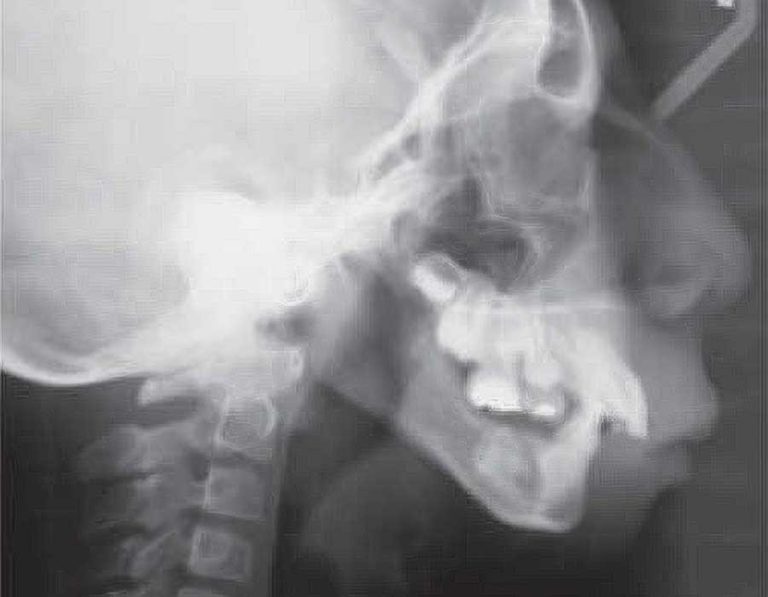
Wisdom teeth rarely erupt correctly aligned. The mouth is often too small to accommodate wisdom teeth, causing them to become trapped beneath the gum line or only partially emerge–a condition known as“impacted.” Impacted teeth may cause bad breath, jaw pain, headaches, and swollen, tender or bleeding gums.
Even when wisdom teeth do fully emerge, they can erupt crookedly or at the wrong angle. Such misalignment can force your other teeth to shift out of place, which may give rise to pain, headaches, bite problems, and tooth damage. Removal can bring prompt relief of symptoms.
Benefit #2–Wisdom teeth removal diminishes the risk of gum disease.
It’s difficult to keep misaligned or partially impacted wisdom teeth clean. Toothbrush bristles often can’t draw out tiny food particles stuck between the gum and partially erupted tooth. The bacteria in the food particles cannot only cause tooth decay but increase your risk of developing a highly painful inflammatory gum condition called pericoronitis.
Benefit #3-Reduced risk of developing cysts.
Sometimes cysts, a fluid-filled sac, or benign tumors can sometimes develop near fully impacted wisdom teeth. Cysts and tumors can damage other teeth, weaken the jaw bone, and wreak havoc with the nerves in the mouth. In rare cases, a cyst or a tumor may even cause a jaw fracture.
Having your wisdom teeth removed is a relatively safe procedure. As with any surgical procedure, it does come with some risks, such as infection. In most cases, if you follow the after-care instruction of your dentist, you’ll minimize these risks.
If you have questions or concerns about having your wisdom teeth removed, be sure to discuss them with your dentist or oral surgeon.
https://www.webmd.com/oral-health/wisdom-teeth-removal-necessary