Sleep apnea is a serious sleep disorder in which your normal breathing is repeatedly disrupted, forcing you to keep waking up. The disruption of normal breathing occurs when the muscles in your airways relax, causing the airways to become narrow or close up completely.
When your breathing stops, the oxygen levels in your blood drop, and your brain senses the inability to breathe, forcing you to wake up so that your blocked airways can open. This is a potentially serious condition that can result in several serious complications. Thankfully, sleep apnea is treatable. Here are some of the main treatment options for sleep apnea.
Positive Airway Pressure Devices
 This treatment method involves using a positive airway pressure machine to supply you with pressurized air to keep your airways open and supply you with enough air while sleeping. This machine also has a face mask attached to it that will be placed snugly over your nose or mouth to send pressurized air down your throat. The pressurized air will prevent the muscles in your airways from collapsing, allowing you to enjoy a good night’s sleep.
Oral Appliances
Studies have shown that more people in the United States accept oral appliances as an effective solution for sleep apnea. FDA has approved more than 100 oral devices for use in treating sleep apnea. You can wear one of these devices in your mouth while sleeping to prevent your airways from collapsing. The good thing about these appliances is that they are comfortable, easy to use, quiet, portable, and easy to maintain. Talk to your dentist if you’d like to know more about this treatment option.
Inspire Upper Airway Stimulation Therapy
If you have sleep apnea and cannot use the continuous positive airway pressure machine or the oral devices, you should try the new, clinically tested airway stimulation therapy. This method involves activating the genioglossus muscles that are known to cause blockage in the airways when they relax. Activation of these muscles is done through stimulation of the hypoglossal nerve.
The stimulation process is done using an airway stimulation system with a small impulse generator fitted beneath the clavicle, a hollow breathing sensing lead fitted between the external and intercostal muscles, and a hollow stimulation lead attached to the hypoglossal nerve that causes tongue protrusion.
Surgery
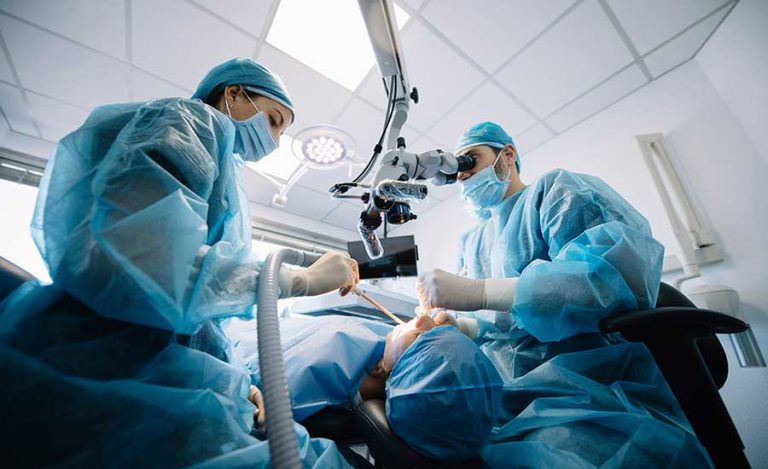
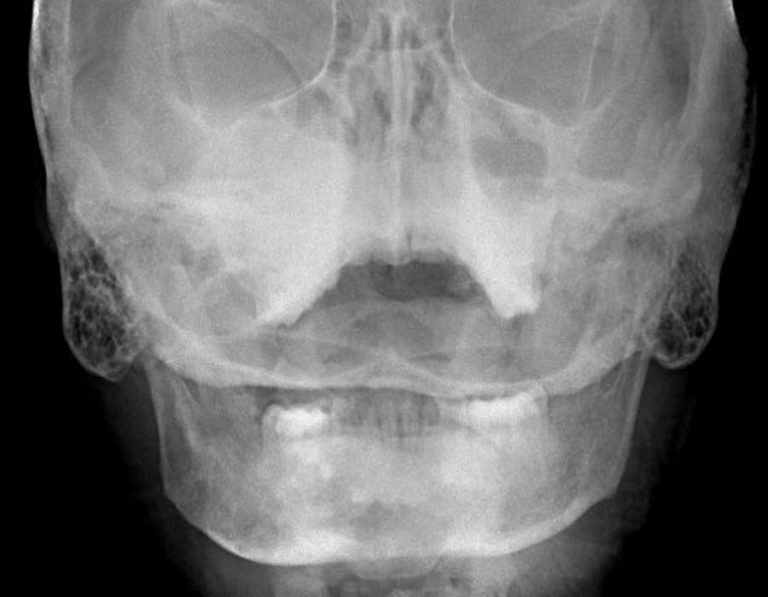
Modern sleep apnea surgery has evolved from last-resort tracheostomies to highly precise, customizable procedures. Leading centers like Head & Neck Surgical Associates (HNSA) utilize advanced 3-D CAT scanning and airway analysis to pinpoint the exact location of airway blockages and recommend targeted treatments.
When conservative treatments fail, comprehensive surgical interventions can permanently open the airway. Top surgical treatments include:
- Maxillomandibular Advancement (MMA): Repositions the upper and lower jaws forward to significantly enlarge the airway. It boasts a >90% curative success rate and is usually performed entirely inside the mouth, leaving no visible facial scars.
- Uvulopalatopharyngoplasty (UPPP): Removes excess soft tissue from the back of the throat and soft palate to reduce obstruction and eliminate chronic snoring.
- Genioglossus Advancement (GA): Repositions the attachment point of the tongue muscles, preventing the tongue from falling backward and blocking the airway during deep sleep.
- Nasal Surgery: Procedures like septoplasty and turbinate reduction clear nasal obstructions to facilitate smoother breathing.
Customized sleep apnea surgery provides a permanent solution to improve nighttime breathing, eliminate CPAP reliance, and drastically elevate your overall health and daily quality of life.
If you’re ready for surgery or exploring surgical treatment options for sleep apnea, call Head and Neck Surgical Associates at 503-912-2847 or click here to schedule a consultation.