The primary types of anesthesia used in oral surgery include local anesthesia, nitrous oxide (laughing gas), intravenous (IV) sedation, and general anesthesia. Each specific method is carefully chosen based on the complexity of the procedure and the medical history of the patient to ensure a completely pain-free experience. For individuals exploring options for oral surgery sedation in Portland, understanding these available modalities is an essential step toward a safe and comfortable surgical outcome.
The Importance of Anesthesia in Oral Surgery
Modern surgical techniques rely heavily on effective pain management and anxiety control. Oral surgery often involves complex manipulation of bone and soft tissues, which can cause significant discomfort if not properly managed. Anesthesia serves multiple crucial purposes: it completely blocks pain signals from reaching the brain, it mitigates patient anxiety, and it prevents unexpected movement during delicate surgical steps. Without these pharmaceutical advancements, modern procedures would be highly traumatic and far less precise. At facilities like Head & Neck Surgical Associates, ensuring that patients remain entirely comfortable is a top priority, allowing surgeons to work meticulously and efficiently.
Anxiety surrounding dental and oral health procedures is incredibly common. Sedation dentistry directly addresses this apprehension by relaxing the central nervous system. By tailoring the level of sedation to the individual’s anxiety level and the intrusiveness of the procedure, surgical teams can create a serene environment. This tailored approach not only improves the immediate patient experience but also contributes to better long-term healing by minimizing stress-induced spikes in blood pressure and heart rate during the operation.
Understanding Anesthesia and Sedation Options
Patients have access to a spectrum of sedation levels, ranging from mild relaxation to complete unconsciousness. The choice depends on the specific surgical requirements and physiological factors.
Local Anesthesia
Local anesthesia forms the foundation of nearly all surgical procedures performed in the mouth. This method involves injecting a numbing medication, typically lidocaine or bupivacaine, directly into the soft tissues surrounding the surgical site. The medication works by temporarily blocking the transmission of nerve impulses that signal pain. While the patient remains fully conscious and alert, the targeted area becomes entirely numb.
Surgeons often use a topical numbing gel on the gums before administering the injection to make the process as comfortable as possible. Local anesthesia is highly effective at eliminating sharp pain, though patients may still feel pressure or vibration during the procedure. It is routinely used alone for minor surgeries or in conjunction with stronger sedatives for more invasive treatments.
Nitrous Oxide (Laughing Gas)
Nitrous oxide is an inhaled gas mixed with oxygen, delivered through a small mask placed over the patient’s nose. This form of mild sedation induces a state of deep relaxation and a slight sense of euphoria, which is why it is commonly referred to as “laughing gas.” Patients breathing nitrous oxide remain fully awake and can easily communicate with the surgical team.
One of the primary benefits of nitrous oxide is its rapid onset and equally rapid dissipation. The effects are felt within minutes of inhalation, and once the gas is turned off and replaced with pure oxygen, the sedative effects wear off almost immediately. Because it does not cause lingering grogginess, nitrous oxide is the only form of sedation that typically allows patients to drive themselves home following their appointment.
Intravenous (IV) Sedation
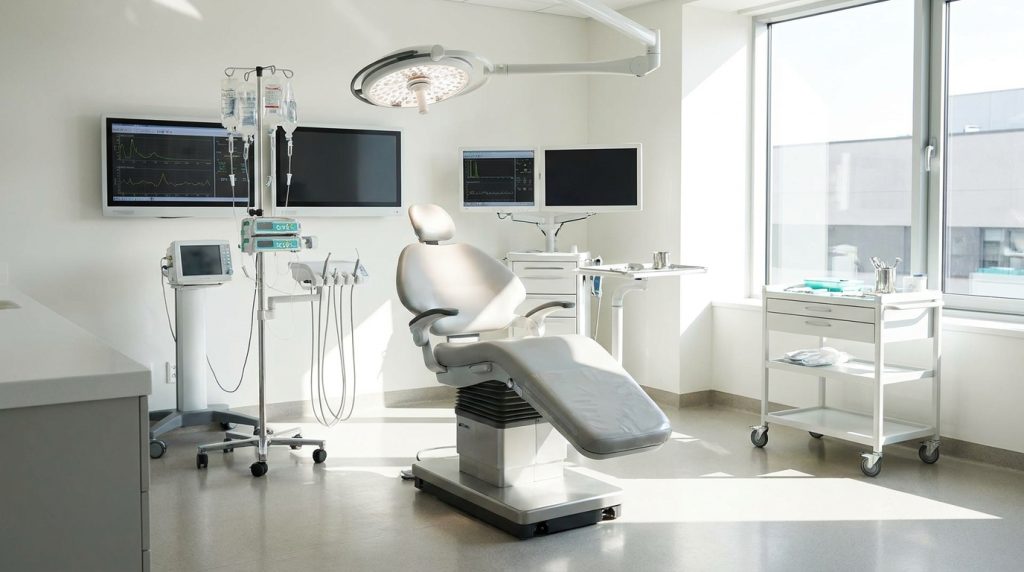
Intravenous sedation, often called “twilight sleep,” provides a moderate to deep level of sedation. The medication is administered directly into the bloodstream through a vein, allowing the sedative effects to take hold almost instantaneously. This method is highly adjustable; the surgical team can continuously monitor and titrate the dosage throughout the procedure to maintain the optimal level of relaxation.
Patients under IV sedation are technically conscious and can respond to verbal cues, but they are in a state of profound relaxation. A significant advantage of IV sedation is its amnesic effect. Most patients retain little to no memory of the sights, sounds, or events of the surgery. Because this medication suppresses the central nervous system, vital signs such as heart rate, blood pressure, and oxygen levels are meticulously monitored by trained professionals. Patients undergoing this level of sedation must have a responsible adult available to drive them home.
General Anesthesia
General anesthesia induces a complete state of unconsciousness. Patients under general anesthesia are entirely asleep, feel absolutely no pain, and have no memory of the procedure whatsoever. This deep level of anesthesia is typically reserved for highly complex, lengthy, or invasive surgeries, such as major facial reconstruction or extensive bone grafting.
Because general anesthesia suppresses the body’s natural cardiovascular and respiratory reflexes, it requires advanced airway management and intensive monitoring. It is generally administered in a specialized hospital setting or a highly equipped surgical center by trained anesthesiologists or specialized oral surgeons. For comprehensive details regarding these advanced options, patients can review specific protocols for sedation and general anesthesia.
Choosing the Right Oral Surgery Sedation in Portland
Selecting the most appropriate sedation method is a collaborative decision between the patient and the surgeon. During the initial consultation, a comprehensive medical history is taken. The surgical team will evaluate cardiovascular health, respiratory function, existing medical conditions, and current medications to rule out any contraindications. Age, weight, and the patient’s baseline anxiety levels also play a pivotal role in this decision-making process.
Additionally, the complexity and anticipated duration of the surgery heavily influence the recommendation. A straightforward extraction might only require local anesthesia and nitrous oxide, while a multi-hour reconstructive surgery necessitates IV or general anesthesia. Patients are encouraged to communicate openly about their fears and preferences when consulting about the surgical team to ensure the chosen method aligns with their comfort needs.
Common Procedures That Utilize Sedation
Different oral surgeries inherently require varying degrees of pain and anxiety management. Below are some of the most common procedures where advanced sedation techniques are employed.
Wisdom Teeth Removal
The extraction of third molars is one of the most frequent reasons patients require sedation. Because wisdom teeth are often impacted—meaning they are trapped beneath the gum line or embedded in the jawbone—their extraction can involve complex tissue and bone manipulation. Intravenous sedation is highly recommended for wisdom teeth removal, as it allows the surgeon to perform the extractions efficiently while the patient remains entirely unaware of the intense pressure and noise associated with the procedure.
Dental Implants
Replacing missing teeth with artificial roots is a precise surgical process. While placing a single implant in an area with abundant bone might only require local anesthesia, more extensive cases involving multiple implants or preparatory bone grafting often warrant deeper sedation. Providing IV sedation during the placement of dental implants ensures that the patient remains perfectly still, which is critical for the exact positioning required for long-term implant success.
Jaw Surgery
Orthognathic, or corrective jaw surgery, is a major medical procedure used to correct severe skeletal irregularities, bite misalignment, or facial trauma. These surgeries are highly intricate and typically take several hours to complete. Due to the invasive nature of cutting and realigning the jawbones, jaw surgery is almost exclusively performed under general anesthesia in a hospital or specialized surgical environment.
Preparing for a Sedated Procedure
Proper preparation is critical for the safety and efficacy of any sedative medication. Patients scheduled for IV or general anesthesia must strictly adhere to preoperative fasting guidelines. Typically, this involves consuming absolutely no food or liquids (including water) for at least eight hours prior to the appointment. The presence of food or liquid in the stomach during deep sedation poses a severe risk of aspiration, a dangerous complication where stomach contents enter the lungs.
Medication management is another crucial preoperative step. Some daily prescriptions, particularly blood thinners or diabetes medications, may need to be adjusted or temporarily paused. It is vital to disclose all medications, over-the-counter supplements, and recreational substance use to the surgical team well in advance. Lastly, patients receiving anything stronger than local anesthesia or nitrous oxide must arrange for a responsible adult to drive them to the clinic, wait during the procedure, and drive them safely home afterward. To begin this planning process, individuals should schedule an appointment for an initial evaluation.
Recovery and Aftercare Following Anesthesia
The recovery phase heavily depends on the type of sedation utilized. Patients who only receive local anesthesia or nitrous oxide can usually resume normal activities immediately, though they must be cautious not to bite their numb lips or tongue while eating. Conversely, recovery from IV or general anesthesia requires a dedicated rest period. Patients often wake up feeling groggy, confused, or fatigued, and these lingering effects can last for the remainder of the day.
Post-operative instructions typically dictate a soft food or liquid diet for the first few days, avoiding hot beverages until the numbing has completely worn off. Strenuous physical activity should be avoided, as elevated heart rates can cause the surgical sites to bleed. It is also imperative that patients refrain from operating heavy machinery, making important legal decisions, or driving a vehicle for at least 24 hours following deep sedation. Following these aftercare protocols diligently ensures a smooth, complication-free healing process.
Frequently Asked Questions
Is sedation dentistry safe?
Yes, sedation is considered highly safe when administered by properly trained and licensed surgical professionals. Extensive safety protocols, comprehensive preoperative health evaluations, and continuous vital sign monitoring during the procedure are standard practices designed to minimize any risks associated with the medications.
Will patients feel pain during the surgery?
No, patients should not feel sharp pain during the procedure. Regardless of the level of sedation chosen, local anesthesia is always used to thoroughly numb the surgical site. While deep sedation keeps patients unaware, the local anesthetic ensures the tissues themselves do not transmit pain signals.
How long does IV sedation stay in the system?
The deepest effects of IV sedation wear off within an hour or two after the continuous medication drip is stopped. However, residual medication can remain in the bloodstream for up to 24 hours, which is why patients often feel sleepy or groggy and must avoid driving or working for the rest of the day.
Can a patient drive home after receiving sedation?
It depends strictly on the type of sedation used. If only local anesthesia or nitrous oxide is administered, the patient can safely drive themselves home. If any form of oral sedatives, IV sedation, or general anesthesia is utilized, a designated driver is legally and medically required.
Does insurance cover anesthesia for oral surgery?
Coverage varies significantly based on individual dental or medical insurance plans and the nature of the surgery. Anesthesia deemed medically necessary, such as for complex wisdom teeth extractions or jaw surgery, is frequently covered. Patients are always encouraged to verify benefits with their insurance provider prior to the procedure date.