What comes to your mind when you hear the term sleep dentistry? Many assume that it refers to a type of oral treatment for sleep disorders like snoring. We’ve prepared this article to help you understand the true meaning of sleep dentistry.
What’s Sleep Dentistry?
 Sleep dentistry is the practice by dentists and oral surgeons to put their patients to sleep using anesthetics during dental treatment. This type of dentistry is slightly different from sedation dentistry because the latter involves the use of sedative methods that don’t necessarily put you to sleep. With sedation dentistry, you can be fully awake throughout the treatment process because the dentist will use local anesthesia to numb the specific area being operated on.
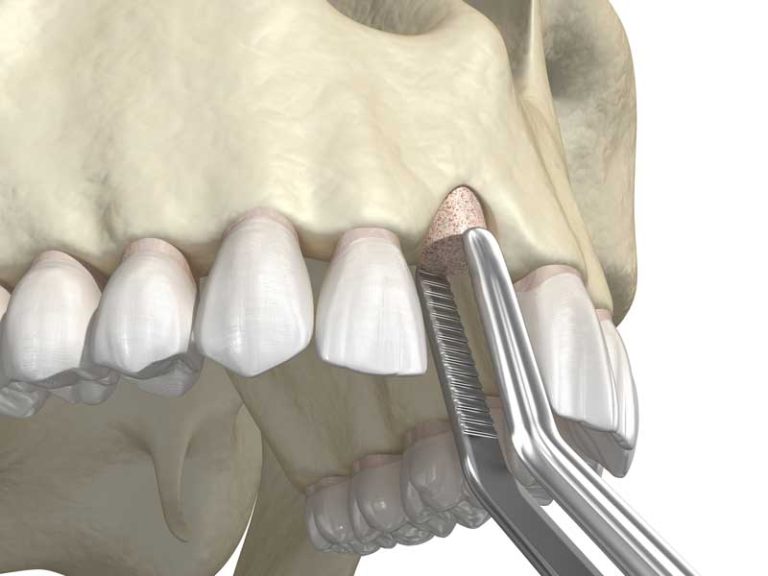
Sleep dentistry, on the other hand, mainly involves general anesthesia that’s supposed to put you to sleep entirely and keep you in that state throughout the treatment process. With sleep dentistry, you won’t be aware of your surroundings or feel anything until you wake up. This type of dentistry is normally used on patients with severe oral complications involving highly invasive procedures. Since such procedures cause intense pain, your doctor prefers to put you to sleep so you can remain comfortable throughout the operation.
Sleep dentistry is also ideal for dental patients afraid of specific treatment methods. For instance, if you fear getting your tooth extracted, your dentist may put you to sleep temporarily to allow them to operate on you without your constant interference.
Importance of Sleep Dentistry
Sleep dentistry has become an excellent choice for many dental patients because it enables them to undergo extensive oral procedures without pain or discomfort. Your dentist will examine you to determine if you are a good candidate for this treatment. Expect to be taken through several tests, including questions about your overall health.
If your dentist is satisfied with the answers you give and the results of your tests, they’ll sign you up for the treatment. Here are some of the main benefits of sleep dentistry.
- Allowing dentists to perform extensive oral procedures within a short time
- Overcoming severe anxiety during oral treatment
- Allowing the dentist to treat you quickly and safely without interference
- Minimizing pain during highly invasive oral procedures
Pregnant women and patients who are allergic to sedatives should avoid sleep dentistry. This type of dentistry should only be considered in extreme situations that involve medical emergencies or extensive oral procedures.